GPT-5.6 Is Here: Sol, Terra & Luna Just Changed the AI Game
OpenAI just dropped GPT-5.6 — Sol, Terra, and Luna — and only ~20 companies got access. Here's what changed, why the US government stepped in, and what it means for AI's future.
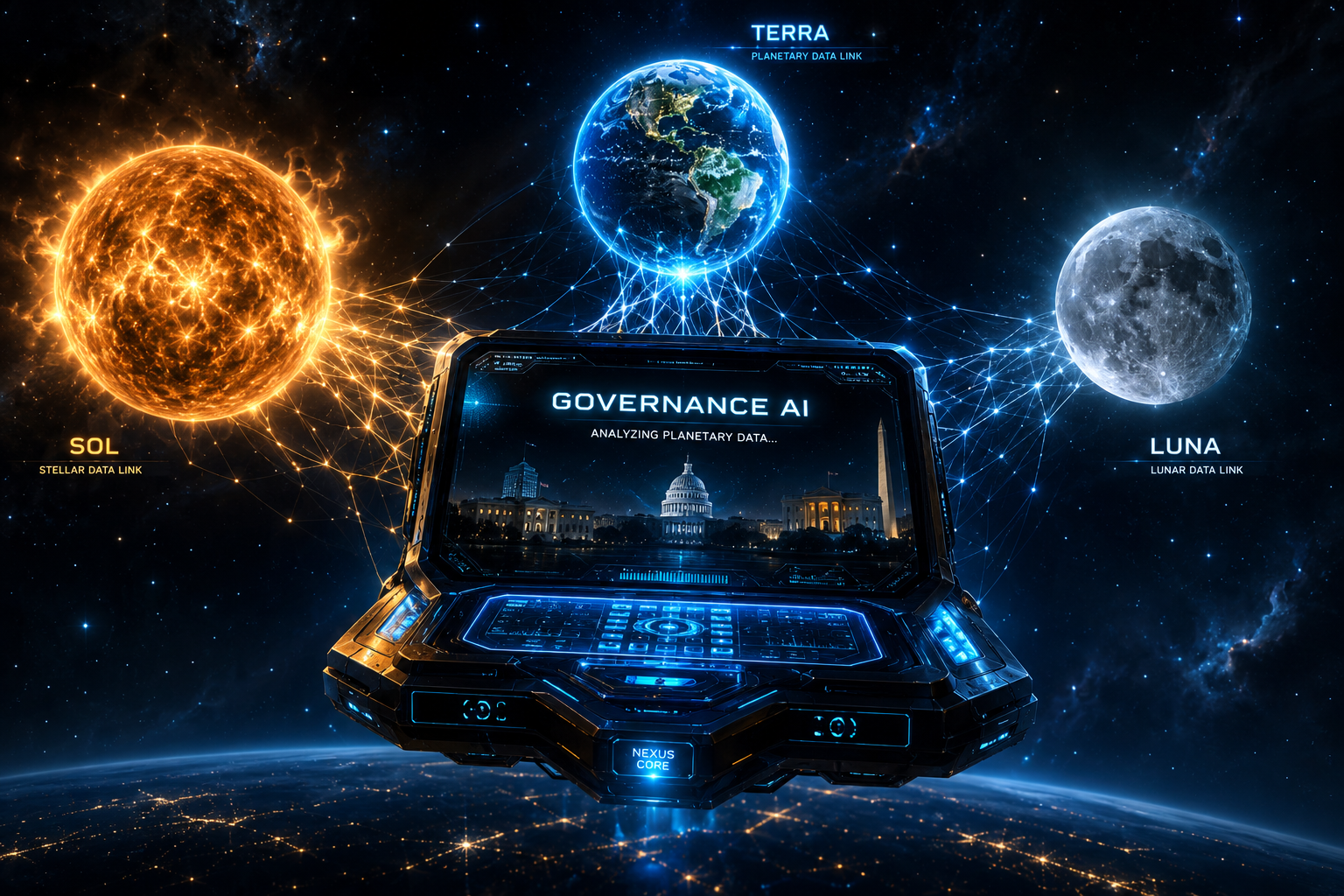
OpenAI Just Released GPT-5.6 — And It's Already Controversial
Yesterday, June 26, 2026, OpenAI released GPT-5.6 — its most powerful model family yet. But this launch was unlike any before it. Instead of a public rollout, only around 20 pre-approved companies got access. The reason? The US government asked OpenAI to slow down.
Let that sink in for a moment.
Meet Sol, Terra, and Luna
GPT-5.6 doesn't come as one model — it's a family of three, named after celestial bodies:
- Sol — The flagship. Most powerful, deepest reasoning.
- Terra — Balanced. Efficiency meets capability for everyday work.
- Luna — Fast and affordable. Built for speed and cost-sensitive tasks.
OpenAI explained the naming logic: the number (5.6) identifies the generation, while Sol/Terra/Luna represent durable capability tiers that can evolve on their own cadence. It's a cleaner way to signal what you're getting — and a smarter way to manage the model upgrade cycle.
The Government Stepped In — Here's Why
This is the part that changes everything.
The Trump administration requested OpenAI adopt a phased release strategy, citing concerns about GPT-5.6 Sol's advanced cybersecurity capabilities. Sam Altman confirmed OpenAI has been previewing the model with the White House since early June.
OpenAI cooperated — but made its position clear:
> "We don't believe this kind of government access process should become the long-term default."
This isn't OpenAI being singled out either. Anthropic faced similar scrutiny with its Mythos and Fable 5 models. The pattern is becoming clear: frontier AI is now treated like a strategic export, not just a software product.
What GPT-5.6 Sol Actually Does Differently
Two headline features define Sol:
1. Max Reasoning + Ultra Mode Sol introduces a new "max" reasoning effort — giving the model more time to think deeply before responding. But the bigger deal is Ultra Mode: instead of one agent working solo, it spins up multiple subagents working in parallel to tackle complex tasks. Think of it as AI spinning up its own team.
2. Stronger Agentic Coding Building on GPT-5.5's already impressive 82.7% on Terminal-Bench 2.0 and 58.6% on SWE-Bench Pro, GPT-5.6 pushes these numbers further — with a reported 1.5M token context window (up from 400K in 5.5). That means it can hold an entire large codebase in context and reason across it end-to-end.
How It Fits Into the Bigger AI Race
GPT-5.6 didn't ship in a vacuum. OpenAI is under real competitive pressure:
- Anthropic's Claude Opus 4.8 launched May 28 and leads on long-horizon agent reliability
- MiniMax M3 (June 1) is undercutting on cost
- Chinese open-source labs keep releasing capable models that developers actually adopt
GPT-5.6's bet is long context + deep reasoning + ecosystem lock-in. Not the cheapest, not the most open — but the most capable for enterprise workflows where accuracy over long tasks matters most.
What This Means If You Build With AI
If you're a developer or team using OpenAI's API today, the upgrade path is straightforward — GPT-5.6 will be a drop-in replacement once broadly available. No migration pain.
But the bigger takeaway isn't technical — it's political.
AI capability has crossed a threshold where governments feel they need a seat at the table before a model ships. Whether you think that's good or bad, it's the new reality. The era of "release and iterate publicly" for frontier models may be closing — replaced by government review windows, phased rollouts, and approved partner lists.
For builders, this means shipping on current-gen models and upgrading when access opens is the right move. Waiting is not.
The Bottom Line
GPT-5.6 is real, it's powerful, and it represents a genuine step forward in what AI can do — from multi-agent reasoning to long-context coding. But the story around how it launched matters just as much as what it can do.
We're entering an era where the most advanced AI models are treated less like software updates and more like strategic national assets.
Sol, Terra, Luna — whatever you call it, the rules of the game just changed.
Great Information 👍