The AI Shift Nobody Saw Coming: 5 Trends Redefining Tech in 2026
From autonomous AI agents to humanoid robots hitting factory floors, 2026 isn't the year AI arrived — it's the year AI grew up. Here's what's actually changing and why it matters.
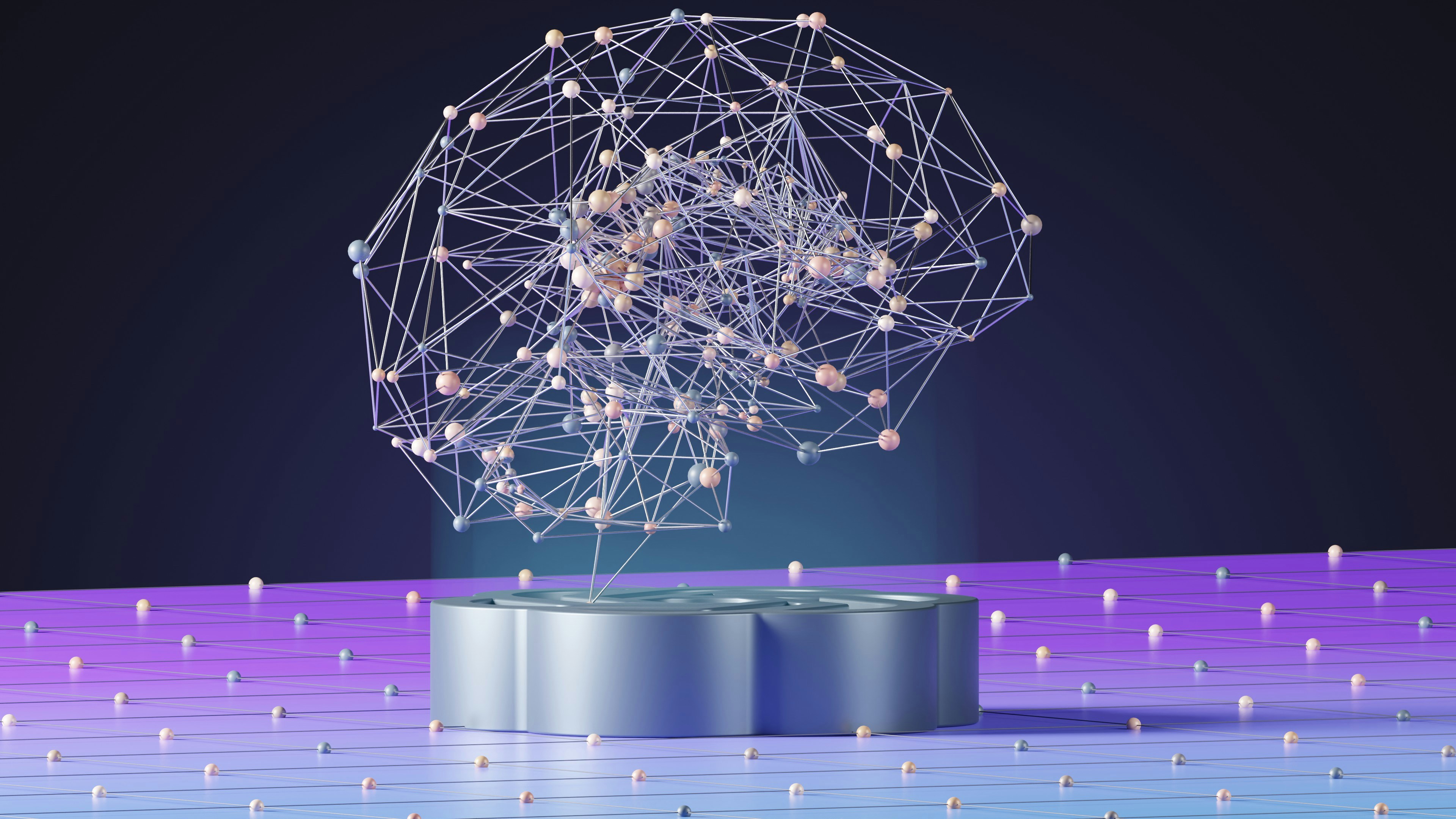
AI Is No Longer Coming. It's Already Here.
For years, we talked about AI as something on the horizon. A promise. A demo. A buzzword in a VC pitch deck. But something shifted in 2026 — AI stopped being a technology and started becoming infrastructure. Here are the five trends that are actually worth paying attention to right now.
1. AI Agents Are Becoming Your Coworkers
The first wave of AI gave us chatbots that answered questions. The second wave — the one we're living through now — gives us agents that take action.
These aren't just bots running scripts. Multi-agent systems can now coordinate entire workflows: researching, writing, scheduling, coding, and shipping — all with minimal human input. Microsoft, Google, and a dozen startups are racing to own what some are calling the "front door to the super agent."
The wild part? A three-person team can now do what used to require a department. That's not hype — that's the new baseline.
2. Models Are Getting Smarter and Smaller
For years, the assumption was: bigger model = better AI. That's breaking down in 2026.
Efficiency-first architectures using sparse Mixture-of-Experts (MoE) designs mean only a fraction of the model activates per query — slashing compute costs while maintaining quality. Open-weight models from Meta, Mistral, and Alibaba are now neck-and-neck with closed proprietary ones on most benchmarks.
The implications are huge: AI is moving onto your device, not just into the cloud. Local, private, always-on assistants are no longer science fiction.
3. Multimodal AI Is Finally Living Up to the Hype
Early AI was text-in, text-out. Now, foundation models natively process text, images, audio, and video simultaneously — no extra modules needed.
Google's latest models can analyze hours of video footage and cross-reference it with written reports in seconds. OpenAI's Sora 2 pushed video generation to a level that's forcing the industry to take it seriously. And the next frontier? Physical AI — humanoid robots trained on video data of human movement, moving from research labs into real factory deployments.
4. AI Governance Is Now a Boardroom Issue
Colorado's AI Act takes effect June 30, 2026, targeting algorithmic discrimination. The EU is investigating Google and Meta's use of third-party content for AI training. Antitrust regulators across the US and Europe are circling.
The era of "move fast and figure out the rules later" is quietly closing. Companies that treat explainability, data sovereignty, and bias mitigation as core engineering concerns — not compliance afterthoughts — are pulling ahead.
5. The Bubble Question Is Real
Let's be honest about the elephant in the room: the AI investment landscape looks eerily similar to late-1990s dot-com mania. Sky-high valuations, enormous infrastructure spend, and a race to user growth over profitability.
That doesn't mean the technology isn't real — it absolutely is. But it does mean not every AI company survives the next two years. The ones that do will be the ones solving genuine problems with measurable ROI, not just shipping demos.
What This Means for You
Whether you're a developer, a founder, or just someone trying to stay informed: the AI you'll be using in 2027 will look fundamentally different from what you're used to today. Agents will handle your workflows. Models will run locally. Robots will operate warehouses.
The question isn't whether to engage with this shift — it's how to do it thoughtfully.
The future isn't AI replacing humans. It's AI making small teams capable of things that used to require armies.
And that changes everything.
Nice Information